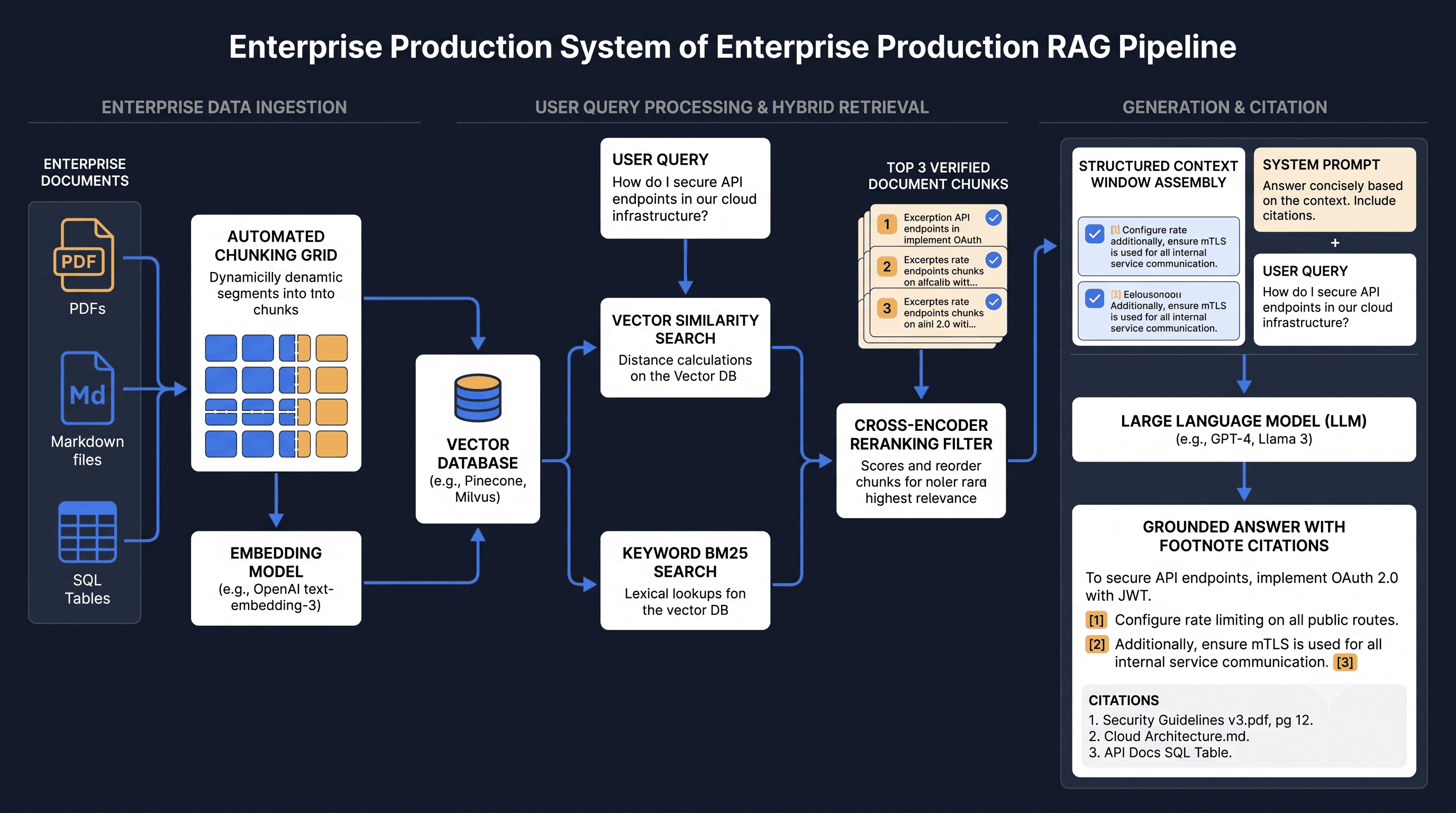
As AI applications become increasingly sophisticated, the role of the integrator becomes crucial in ensuring seamless interactions between various components. The integrator's primary responsibility is to design and implement the integration layer between object storage, vector databases, and Large Language Model (LLM) APIs. This involves selecting the appropriate Retrieval-Augmented Generation (RAG) framework and vector database to meet specific use case requirements.
RAG frameworks like LangChain, LlamaIndex, and Haystack provide the necessary tools for building applications that leverage the power of LLMs and vector databases. These frameworks enable the integration of external knowledge sources with LLMs, enhancing their ability to provide accurate and context-specific responses. Vector databases such as Milvus, OpenSearch, Pinecone, and Weaviate act as persistent vector stores, allowing for efficient storage and retrieval of high-dimensional vector data.
API compatibility is critical integration between RAG frameworks, vector databases, and LLM APIs. A compatible API enables the smooth exchange of, facilitating the development of robust AI applications. Industry practices suggest that API compatibility ensures seamless integration with popular RAG frameworks, including LangChain, LlamaIndex, and Haystack, as well as vector databases like Milvus, OpenSearch, Pinecone, and Weaviate that leverage object storage for persistent vector data [cloudian.com/guides/ai-infrastructure/rag-architecture-4-key-components-example-implementation-2026].
When designing the integration layer, AI engineers must consider several factors, including the specific requirements of the use case, the choice of RAG framework and vector database, and the need for API compatibility. The integrator must ensure that the selected components can work together seamlessly, enabling the efficient exchange of data and the development of robust AI applications.