


01
Resume
Does Your Resume Pass the 6-Second ATS Scan?
Discover how applicant tracking systems scan your resume, why most fail, and how to optimize for both bots and recruiters to land more interviews.
11 min read•Resume Module
The myth that listing every skill proves qualification often leads candidates to pack their resumes with a multitude of skills, hoping to impress recruiters. This approach, however, can backfire. Recruiters often skim through skill sections, and if a skill is listed without context, it may not carry the weight the candidate hopes it will.
The reality is that recruiters value demonstrated skills over listed ones. According to a recruiter's statement on LinkedIn, "If all they do is list the skill in a skill section, then I'm going to assume they're basic in that skill" LinkedIn. This perspective suggests that merely listing a skill does not necessarily prove proficiency or experience in that area.
Over-listing skills can dilute the impact of genuinely strong skills. When a candidate lists every skill they know, even if only superficially, it can make their resume read like a laundry list. This approach also hides the depth of their actual experience and can undervalue their expertise. For instance, a candidate might list proficiency in Python, Java, and several other programming languages but fail to demonstrate how they've applied these skills in projects or real-world scenarios.
A strategic approach is to tailor the skill section to the job description, focusing on skills that are directly relevant to the position. This not only shows that the candidate has the required skills but also that they understand the job's demands. Moreover, providing context for each skill, such as how it was applied in a project or a specific achievement, can significantly enhance the credibility of the skill listing.
While listing skills is an essential part of resume writing, it's crucial to do so strategically and with context. Demonstrating skills through specific examples and achievements can make a candidate stand out and show recruiters that they are qualified and experienced in those areas. By focusing on quality over quantity and providing context for each skill, candidates can effectively communicate their value to potential employers.

The myth that soft skills and basic tools impress recruiters has led many job seekers to clutter their resumes with generic phrases and skills that don't add much value. However, according to Anna Papalia, a well-known career strategist, this approach can actually harm your chances of getting noticed.
The reality is that recruiters and hiring managers are looking for specific technical skills and achievements that demonstrate your ability to perform the job requirements. Papalia advises removing four types of skills from your resume:
Instead, focus on relevant technical qualifications and accomplishments that showcase your expertise.
The myth exists because many job seekers believe that showcasing soft skills and basic tools demonstrates their ability to work with others and use common software applications. However, this approach can make your resume seem generic and unremarkable.
To create a focused and impactful resume, it's essential to distinguish between skills to remove and skills to keep. Here's a table to illustrate this:
For Indian freshers, it's essential to highlight relevant technical skills and achievements that demonstrate your potential and capabilities. By focusing on these aspects, you can create a strong resume that showcases your expertise and increases your chances of getting noticed by recruiters.
Here's the key insight: instead of showcasing generic soft skills and basic tools, focus on highlighting your technical skills and achievements that demonstrate your ability to perform the job requirements. This approach will help you stand out from the competition and increase your chances of success in the job market.
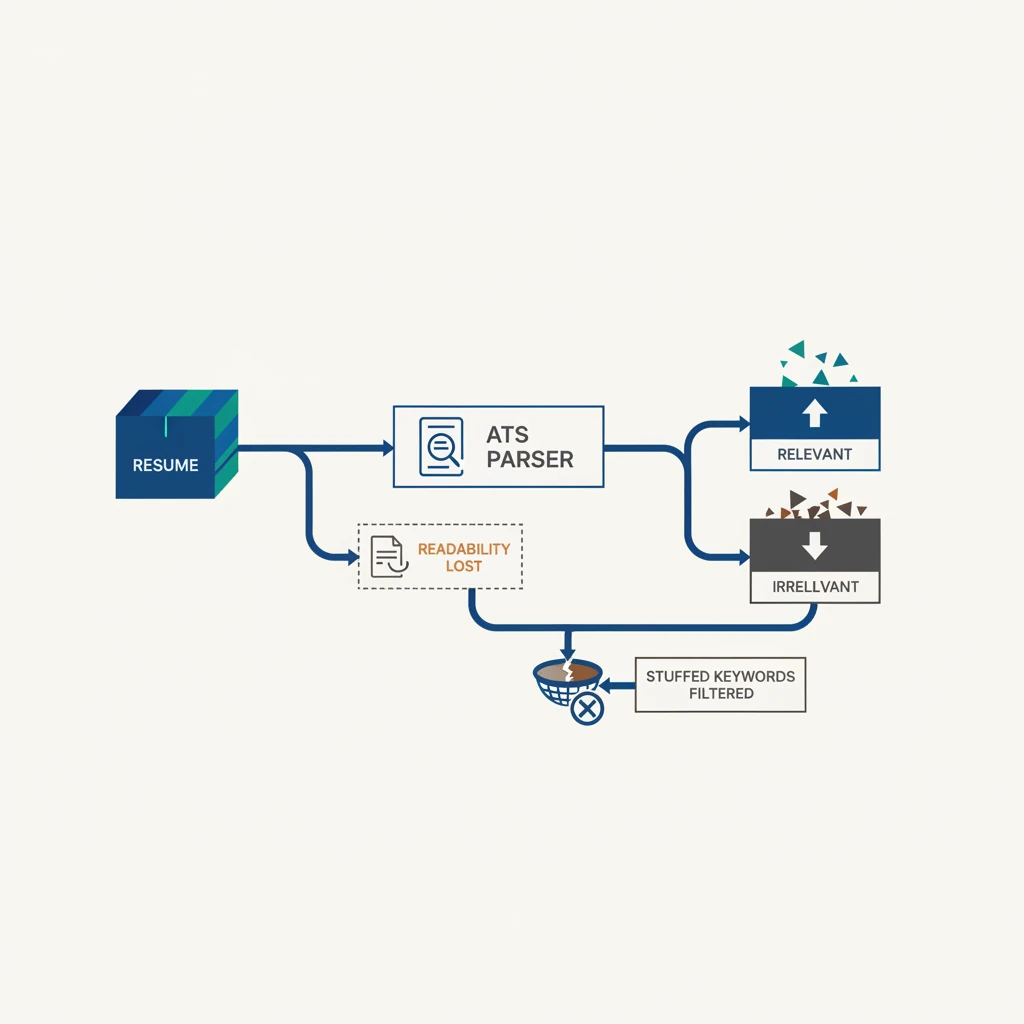
The idea that stuffing the skills section with keywords can help pass Applicant Tracking Systems (ATS) and impress hiring managers is a common myth. In reality, this approach can damage the readability of your resume and backfire with hiring managers.
When it comes to ATS, these systems are designed to parse and understand the content of your resume, but they are not as sophisticated as to heavily penalize keyword stuffing. However, they do prioritize resumes that are well-structured and relevant to the job description.
Hiring managers, on the other hand, spend only a few seconds deciding whether a resume deserves closer attention. According to InterviewPal, forced keywords make the document harder to scan, which can lead to your resume being rejected.
Readability is crucial because it allows hiring managers to quickly understand your skills and experience. A resume that is overly stuffed with keywords can appear spammy and may not effectively communicate your qualifications.
By focusing on readability and relevance, you can create a skills section that effectively communicates your qualifications and helps you stand out to hiring managers.
The idea that a functional resume can completely hide employment gaps without consequence is a common misconception. Many candidates believe that by using a functional resume format, they can avoid drawing attention to gaps in their employment history.
A functional resume focuses on areas of expertise and skills rather than the timeline of a candidate's work history. This approach can help minimize the visual impact of gaps by shifting the focus away from dates [Indeed]. However, it does not eliminate concerns about employment gaps entirely. Recruiters and hiring managers may still notice gaps in the employment history, especially if they are significant or repeated.
Here's the key insight: a functional resume should be used strategically to highlight transferable skills and experiences, rather than to deceive or mislead. Candidates should be prepared to address employment gaps honestly and transparently during the interview process.
When using a functional resume, it's essential to ensure that the format is not used to obscure or misrepresent employment history. Instead, focus on showcasing relevant skills and experiences that align with the job requirements. By doing so, candidates can effectively use a functional resume to highlight their strengths while also being prepared to address any concerns about employment gaps.
The notion that simply listing skills is enough to impress recruiters and hiring managers is a common misconception. In reality, concrete examples of skill demonstration are far more convincing than a standalone skill list. This is because employers want to see how you've applied your skills in real-world scenarios to drive tangible results.
The myth persists because it's easy to list skills on a resume or in an interview. However, this approach has become so common that it's often overlooked by recruiters and hiring managers. They've seen countless resumes with lengthy skill lists, but what truly sets candidates apart is their ability to demonstrate the impact of those skills.
Concrete examples of skill demonstration provide a clear picture of how you've applied your skills to achieve specific goals or solve problems. For instance, consider the following examples:
These examples illustrate how skills can be applied to drive real results, making them far more compelling than a simple list of skills.
Measurable results are essential in demonstrating the effectiveness of your skills. By including specific numbers and metrics, you can show the impact of your work and provide a clear understanding of your capabilities. For example:
To help you identify strong skill demonstration examples,
Career expert Anna Papalia advises removing four types of skills: languages you are not fluent in (e.g. "Conversational in Spanish"), soft skills like "good communicator," basic computer skills like Microsoft Word and Outlook, and personality traits. These clutter your resume and don't differentiate you from other candidates. Instead, focus on relevant technical qualifications and measurable accomplishments that actually demonstrate your value.
Use concrete examples with measurable impact. For instance, instead of listing "data analysis," write "Designed and implemented a new data analysis framework for a retail chain with 150+ stores, reducing inventory discrepancies by 25%." Similarly, "Used SQL to optimize database queries for a financial services firm, improving report generation time from 30 minutes to under 5 minutes." As one recruiter put it, "If all they do is list the skill in a skill section, then I'm going to assume they're basic in that skill."
No. Keyword stuffing damages readability and can backfire because hiring managers often spend only a few seconds deciding whether a resume deserves closer attention. Forced keywords make the document harder to scan, which reduces your chances of making a positive impression. Readability and relevance matter far more than keyword density.
A functional resume format can minimize the visual impact of employment gaps by focusing on areas of expertise rather than time periods, allowing you to omit career gaps and highlight transferable skills. However, it's a myth that this happens without consequence—recruiters are familiar with this tactic and may still probe for gaps during the interview process. Use this format strategically, but be prepared to address any employment gaps directly.
Discover how applicant tracking systems scan your resume, why most fail, and how to optimize for both bots and recruiters to land more interviews.

Discover why recruiters ignore your GitHub link and learn how to transform your profile into a tie-breaker that lands you more interviews.

Discover the three most common resume formatting errors that break ATS parsers and learn how to fix them for better job application success.


